

CN

NEWS
Maximizing Efficiency: The Role of Variable Frequency Water Pumps in Industrial Applications
Published:
2026/07/25
Maximizing Efficiency: The Role of Variable Frequency Water Pumps in Industrial Applications In today’s fast-paced industrial landscape, efficiency and sustainability are paramount. Variable frequency water pumps (VF pumps) have emerged as vital components in optimizing operations across various sectors. These pumps not only enhance performance but also contribute significantly to energy savings
Maximizing Efficiency: The Role of Variable Frequency Water Pumps in Industrial Applications
In today’s fast-paced industrial landscape, efficiency and sustainability are paramount. Variable frequency water pumps (VF pumps) have emerged as vital components in optimizing operations across various sectors. These pumps not only enhance performance but also contribute significantly to energy savings and operational reliability. In this comprehensive guide, we will delve into the intricacies of variable frequency water pumps, their applications, and their undeniable role in maximizing efficiency within industrial frameworks.
Understanding Variable Frequency Water Pumps
What are Variable Frequency Water Pumps?
Variable frequency water pumps are advanced pumping systems that utilize variable frequency drives (VFDs) to control motor speed and flow rate. By adjusting the frequency of the electrical power supplied to the motor, these pumps can operate efficiently at various speeds, thereby matching the system's requirements. This flexibility is crucial in industrial applications where demand fluctuates.
How Do They Work?
The core of a variable frequency water pump's functionality lies in its ability to modulate the pump's speed. When the demand for water changes, the VFD adjusts the motor speed accordingly. This not only conserves energy but also reduces wear and tear on the pump, leading to prolonged service life and lower maintenance costs. The integration of sensors and controls further enhances the adaptability of these pumps.
The Advantages of Using Variable Frequency Water Pumps
Energy Efficiency and Cost Savings
One of the most significant benefits of variable frequency water pumps is their energy efficiency. Traditional pumps often operate at a constant speed, leading to wasted energy during low-demand periods. Conversely, VF pumps optimize power usage by adjusting their speed, which translates to significant cost savings over time. Studies indicate that energy savings can reach up to 50% compared to conventional pumping systems.
Improved Operational Performance
VF pumps provide precise control over flow rates, allowing for improved process management. Industries such as manufacturing, agriculture, and water treatment benefit from this enhanced control, as it ensures that water supply matches real-time operational needs. This adaptability also minimizes the risk of equipment failure and downtime, further boosting productivity.
Reduced Environmental Impact
In an era where environmental sustainability is critical, variable frequency water pumps offer solutions that mitigate adverse effects. By consuming less energy and minimizing water waste, these pumps contribute to greener industrial practices. Moreover, lower energy consumption leads to decreased greenhouse gas emissions, aligning with global sustainability goals.
Applications of Variable Frequency Water Pumps in Various Industries
Manufacturing and Processing Plants
In manufacturing settings, VF pumps facilitate efficient cooling, heating, and fluid transfer processes. Whether it’s in chemical processing or food and beverage production, these pumps adapt to varying flow requirements, ensuring consistent product quality and operational safety.
Agricultural Irrigation Systems
Variable frequency water pumps play a crucial role in modern agriculture by optimizing irrigation systems. Farmers can adjust water delivery based on real-time weather data and crop needs, resulting in improved yield and reduced water wastage. This precision agriculture approach maximizes resource efficiency.
Municipal Water Supply and Wastewater Treatment
In municipal applications, VF pumps ensure reliable water distribution and efficient wastewater management. By managing flow rates dynamically, these pumps help maintain optimal pressure in pipelines, reducing the risk of leaks and system failures. Additionally, they enhance the treatment process by improving aeration and mixing in wastewater facilities.
HVAC Systems
Heating, ventilation, and air conditioning (HVAC) systems benefit greatly from variable frequency water pumps. They provide precise control over water flow in chillers and boilers, maintaining desired temperatures efficiently. This not only enhances comfort but also reduces energy consumption in commercial buildings.
Choosing the Right Variable Frequency Water Pump
Factors to Consider
When selecting a variable frequency water pump for industrial applications, several factors should be taken into account:
- Flow Rate and Head Pressure: Determine the specific requirements of your application to ensure the pump can handle the required flow and pressure.
- Motor Efficiency: Look for pumps equipped with high-efficiency motors to maximize energy savings.
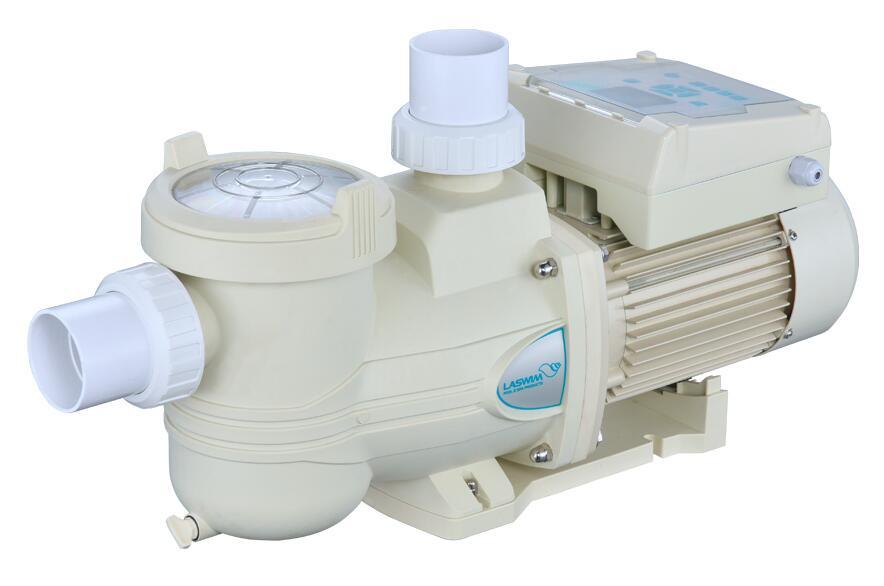
- Control Features: Advanced control options, such as digital displays and remote monitoring, can enhance usability.
- Material Compatibility: Ensure the pump materials are suitable for the fluids being pumped to prevent corrosion and degradation.
Maintenance Best Practices
To maintain the efficiency and longevity of variable frequency water pumps, regular maintenance is essential. Here are some best practices:
- Routine Inspections: Regularly check for signs of wear, leaks, and mechanical issues.
- Clean Filters: Ensure filters are cleaned and replaced as necessary to prevent blockages.
- Monitor Performance: Use monitoring tools to track pump performance and identify any deviations from normal operations.
Future Trends in Variable Frequency Water Pump Technology
Integration with IoT and Smart Technologies
The integration of Internet of Things (IoT) technology into variable frequency water pumps is set to revolutionize their operation. Smart pumps equipped with sensors can provide real-time data analytics, enabling predictive maintenance and automated control adjustments based on demand. This innovation promises to further enhance operational efficiency.
Advancements in Materials and Design
Future developments in materials and design will focus on improving pump efficiency and durability. The use of advanced composites and innovative designs will not only reduce the weight of pumps but also enhance their performance in challenging environments.
FAQs About Variable Frequency Water Pumps
1. What industries benefit the most from variable frequency water pumps?
Industries such as manufacturing, agriculture, municipal water supply, and HVAC systems benefit significantly from variable frequency water pumps due to their energy efficiency and adaptability.
2. Can variable frequency water pumps help in reducing energy costs?
Yes, these pumps can reduce energy costs by adjusting their speed based on demand, leading to a decrease in wasted energy.
3. How do variable frequency drives (VFDs) enhance pump performance?
VFDs control the motor speed and flow rate, allowing for precise adjustments that align with real-time operational needs, thereby enhancing overall performance.
4. Are variable frequency water pumps suitable for all applications?
While VF pumps are versatile, their suitability depends on specific application requirements. It’s essential to evaluate flow rates, pressure needs, and fluid types before selection.
5. How can I ensure the longevity of my variable frequency water pump?
Regular maintenance, including routine inspections and performance monitoring, is crucial to ensure the longevity and efficiency of variable frequency water pumps.
Conclusion
Variable frequency water pumps are revolutionizing industrial applications by maximizing efficiency, reducing energy consumption, and enhancing operational performance. Their ability to adapt to varying demands makes them indispensable in various sectors, from manufacturing to agriculture. As technology continues to evolve, the integration of smart features and advanced materials will further enhance the capabilities of these essential devices. Investing in variable frequency water pumps not only leads to cost savings and operational reliability but also supports sustainability efforts in the industrial sector. As industries strive for more efficient and environmentally friendly practices, embracing the advantages of variable frequency water pumps is a crucial step towards achieving these goals.
keywords
Related News

Let's collaborate to build a better future together!
Shop 1, 2, 3, No. 31 Nan'an Road, Nanyuan Street, Liwan District, Guangzhou City
Copyright © 2025 Guangzhou Huidi Swimming Pool Spa Equipment Co., Ltd 丨 SEO