

CN

NEWS
Understanding Underground Pool Filtration Systems: Essential Insights for Professionals
Published:
2026/08/16
--- Underground pool filtration systems are crucial in maintaining optimal water quality in swimming pools, particularly when it comes to meeting health and safety regulations. As an industry professional, understanding the components, functionality, and maintenance of these systems is essential for effective operation. At the core of any underground pool filtration system is the filter itself, w
---
Underground pool filtration systems are crucial in maintaining optimal water quality in swimming pools, particularly when it comes to meeting health and safety regulations. As an industry professional, understanding the components, functionality, and maintenance of these systems is essential for effective operation.
At the core of any underground pool filtration system is the filter itself, which is responsible for removing debris, contaminants, and particulates from the water. There are several types of filters commonly used, including sand, cartridge, and diatomaceous earth (DE) filters. Each type has unique advantages and operational requirements, allowing professionals to choose the best solution based on specific needs. Sand filters are generally the most common, as they are easy to maintain and operate. Cartridge filters, on the other hand, require less water for backwashing and are often more energy-efficient. DE filters offer the finest filtration but require more maintenance and are typically more expensive.
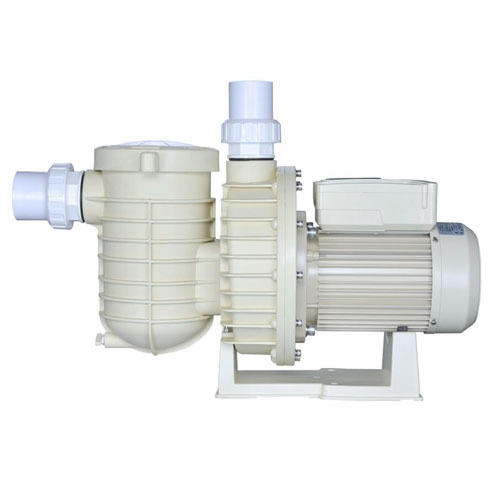
Another essential component of underground pool filtration systems is the pump. The pump circulates water through the filter, ensuring that all water is properly filtered and returned to the pool. It's vital to select a pump that is appropriately sized for the pool and the filtration system to ensure optimal performance. An undersized pump can lead to ineffective filtration, while an oversized pump can cause unnecessary energy consumption and wear.
In addition to filters and pumps, pool filtration systems often include skimmers, which capture larger debris before it enters the filter and maintains surface water cleanliness. Understanding the proper placement and size of skimmers can significantly impact the overall efficiency of the pool filtration system.
Maintenance is key to ensuring the longevity and effectiveness of underground pool filtration systems. Regular cleaning of filters, checking pump performance, and monitoring water chemistry are essential practices. Professionals should also be aware of the signs of malfunction, such as cloudy water or reduced water circulation, which may indicate the need for repairs or adjustments.
In summary, professionals in the industrial equipment sector must grasp the intricacies of underground pool filtration systems to provide effective solutions for their clients. By focusing on the types of filters, the role of pumps, and the importance of regular maintenance, industry specialists can enhance the performance and reliability of pool filtration systems, ensuring clean and safe swimming environments. Understanding these elements not only improves operational efficiency but also aids in delivering high-quality service to customers.
keywords
Related News


Let's collaborate to build a better future together!
Shop 1, 2, 3, No. 31 Nan'an Road, Nanyuan Street, Liwan District, Guangzhou City
Copyright © 2025 Guangzhou Huidi Swimming Pool Spa Equipment Co., Ltd 丨 SEO