

CN

NEWS
Why Your Swimming Pool Needs an Efficient Water Filter: The Key to Crystal Clear Water
Published:
2026/03/30
Why Your Swimming Pool Needs an Efficient Water Filter Understanding the Importance of Water Filtration in Swimming Pools Swimming pools are a source of joy and relaxation for many, but maintaining the quality of the water is crucial for a safe and enjoyable swimming experience. An efficient water filter plays an essential role in keeping your pool clean and clear. It removes impurities and contam
Why Your Swimming Pool Needs an Efficient Water Filter
Understanding the Importance of Water Filtration in Swimming Pools
Swimming pools are a source of joy and relaxation for many, but maintaining the quality of the water is crucial for a safe and enjoyable swimming experience. An efficient water filter plays an essential role in keeping your pool clean and clear. It removes impurities and contaminants, ensuring that the water remains safe for swimmers and free from debris. In this article, we will explore the various reasons why investing in a high-quality water filter is vital for your swimming pool.
How Water Filters Work: The Science Behind Filtration
To appreciate the importance of an efficient water filter, it's essential to understand how these systems work. A water filter operates by using physical, chemical, or biological processes to remove particles and impurities from the water. The primary components of a pool filtration system include:
Types of Pool Filters
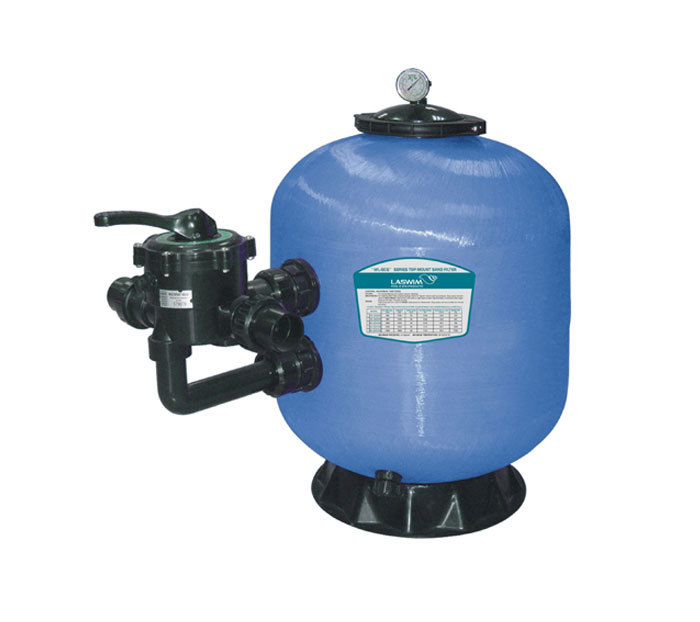
Sand Filters
Sand filters consist of a tank filled with sand that captures dirt and debris as water flows through. They are durable and require minimal maintenance, making them a popular choice for many pool owners.
Cartridge Filters
Cartridge filters utilize a replaceable filter cartridge to catch particles. They are known for their efficiency and ease of maintenance but may require more frequent cleaning than sand filters.
D.E. Filters (Diatomaceous Earth)
D.E. filters use a powder made from fossilized algae to trap even the smallest contaminants. They offer superior filtration capabilities but require more complex maintenance and setup.
Benefits of Using an Efficient Water Filter
Investing in a top-notch water filter for your swimming pool can yield numerous benefits:
1. Improved Water Clarity
A high-quality water filter removes fine particles, algae, and debris, resulting in crystal-clear water. This not only enhances the aesthetic appeal of your pool but also provides a more enjoyable swimming experience.
2. Enhanced Safety
Contaminated water can harbor harmful bacteria and pathogens that pose risks to swimmers' health. An efficient water filter effectively removes these contaminants, ensuring the safety of your swimming environment.
3. Reduced Chemical Usage
When your pool water is clean and well-filtered, you'll find that you need fewer chemicals to maintain its balance. This not only saves you money but also reduces the potential for skin irritations and adverse reactions among swimmers.
4. Less Strain on Your Pool Equipment
A clean filtration system prevents debris from accumulating in pumps and heaters, extending the lifespan of your pool equipment. This can lead to significant savings on repairs and replacements over time.
5. Better Overall Pool Maintenance
An efficient water filter simplifies the maintenance process. Regular filtering helps to reduce the frequency of manual cleaning and the need for additional pool maintenance services.
Choosing the Right Water Filter for Your Pool
Selecting the right water filter for your swimming pool involves considering several factors:
1. Pool Size and Volume
The size and volume of your pool will greatly influence the type and capacity of the filter you need. Larger pools may require more powerful systems to maintain optimal water quality.
2. Filtration Rate
The filtration rate refers to the amount of water that a filter can process in a given time. A higher filtration rate typically means better performance. Aim for a filter that can circulate your pool water at least once every 8 hours.
3. Type of Debris
Consider the type of debris that commonly enters your pool. If your pool is surrounded by trees, for example, you may want a filter that can handle larger particles effectively.
4. Maintenance Requirements
Different filters come with varying levels of maintenance. Assess how much time and effort you're willing to invest in upkeep and choose a filter that aligns with your lifestyle.
Installation Tips for Your Pool Water Filter
Installing a water filter in your swimming pool may seem daunting, but following these straightforward steps can make the process easier:
1. Gather Necessary Tools and Materials
Before you begin, ensure you have all the necessary tools, including wrenches, screwdrivers, and plumbing supplies. Consult the manufacturer's instructions for specific requirements.
2. Turn Off the Pool Pump
Always turn off the pool pump before starting any installation or maintenance work to ensure safety.
3. Follow Manufacturer Instructions
Each type of filter will have specific installation instructions. Follow these closely for optimal results.
4. Connect the Filter to the Pool System
Carefully connect the filter to your pool's plumbing system, ensuring all hoses and fittings are secure to prevent leaks.
5. Test the System
Once installed, turn the pump back on to test the filtration system. Observe for any leaks or irregularities and ensure that water flows smoothly through the filter.
Maintenance Guidelines for Your Pool Water Filter
To keep your water filter functioning efficiently, regular maintenance is crucial. Here are some essential maintenance tips:
1. Clean the Filter Regularly
Depending on the type of filter you have, cleaning may involve backwashing (for sand filters), replacing cartridges (for cartridge filters), or cleaning D.E. filters regularly.
2. Monitor Pressure Gauges
Most filters come with pressure gauges that indicate when the filter needs cleaning. Keep an eye on these readings to maintain optimal performance.
3. Inspect for Damage
Regularly inspect the filter and hoses for signs of wear or damage. Replace any worn-out parts promptly to avoid further issues.
4. Keep Pool Surroundings Clean
Maintaining a clean environment around your pool will reduce the amount of debris that enters the water, lightening the load on your filtration system.
Investing in Quality: Cost vs. Value of Pool Filters
When it comes to pool maintenance, the adage "you get what you pay for" rings true. While it may be tempting to purchase a cheaper filter, investing in a high-quality system can save you money in the long run. Consider the following:
1. Long-Term Savings
Quality filters often have better durability and efficiency, which translates to lower maintenance costs and fewer replacements over time.
2. Health and Safety
Prioritizing health and safety through a reliable filtration system can prevent costly health issues associated with contaminated water.
3. Enhanced Pool Enjoyment
Investing in a quality filter ensures that your pool remains a safe and enjoyable space for family and friends, enhancing your overall experience.
Common Myths About Pool Water Filters
Several misconceptions surround pool water filters, which can lead to poor decisions. Here are a few common myths debunked:
Myth 1: All Filters Are the Same
Not all filters perform equally. Different types have varying filtration capabilities and maintenance requirements.
Myth 2: You Only Need to Filter Water Occasionally
Regular filtration is essential for maintaining water clarity and safety. Avoid waiting until problems arise to activate your filter.
Myth 3: High Chlorine Levels Eliminate the Need for Filtration
While chlorine helps sanitize water, it does not remove physical debris and must be used in conjunction with a filtration system for optimal results.
Frequently Asked Questions (FAQs)
1. How often should I run my pool filter?
You should aim to run your pool filter for at least 8 hours a day, especially during peak swimming seasons.
2. Can I install a water filter myself?
Yes, many pool owners can install filters with basic tools and some DIY knowledge, but hiring a professional ensures proper setup and performance.
3. How do I know if my filter needs cleaning?
Monitor the pressure gauge on your filter. A significant increase in pressure indicates that it’s time to clean your filter.
4. Is a more expensive filter always better?
Not necessarily. While higher-priced filters often offer better performance and durability, it's essential to choose one based on your specific needs and pool size.
5. What happens if I don’t clean my filter regularly?
Neglecting filter maintenance can lead to reduced performance, poor water quality, and potential damage to your pool’s equipment.
Conclusion
In summary, an efficient water filter is not just an accessory for your swimming pool; it is a vital component that ensures your pool remains a safe and enjoyable place for relaxation and recreation. By understanding the various types of filters, their benefits, and how to maintain them, you can make informed decisions that will enhance your pool experience. Investing in a quality water filtration system will ultimately lead to cleaner water, lower maintenance costs, and a healthier swimming environment for you and your family.
keywords
Related News


Let's collaborate to build a better future together!
Shop 1, 2, 3, No. 31 Nan'an Road, Nanyuan Street, Liwan District, Guangzhou City
Copyright © 2025 Guangzhou Huidi Swimming Pool Spa Equipment Co., Ltd 丨 SEO