

CN

NEWS
Understanding Swimming Pool Water Filters: Essential Insights for Professionals
Published:
2026/04/06
Swimming pool water filters are vital components that ensure the water remains clean, clear, and safe for swimmers. In essence, these filters remove debris, dirt, and contaminants from the water, thereby enhancing the overall swimming experience. Understanding the different types of swimming pool water filters and their functions is crucial for professionals involved in the industrial equipment an
Swimming pool water filters are vital components that ensure the water remains clean, clear, and safe for swimmers. In essence, these filters remove debris, dirt, and contaminants from the water, thereby enhancing the overall swimming experience. Understanding the different types of swimming pool water filters and their functions is crucial for professionals involved in the industrial equipment and filtration sector.
There are three primary types of swimming pool water filters: sand filters, cartridge filters, and diatomaceous earth (DE) filters. Each type operates differently and has its own set of advantages and disadvantages.
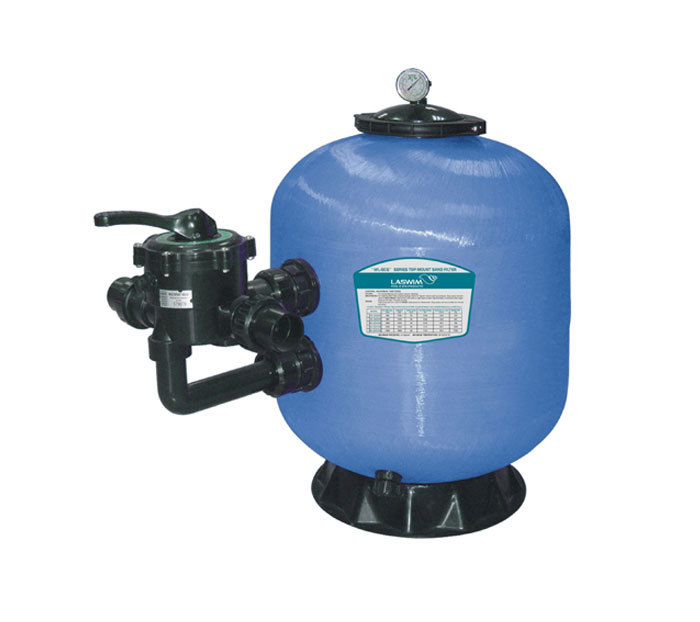
Sand filters are the most common type used in both residential and commercial swimming pools. They work by filtering water through a bed of sand, which traps particles and debris. One significant advantage of sand filters is their low maintenance and ease of operation. However, they may not filter out the smallest particles as effectively as other types.
Cartridge filters utilize a pleated filter element that captures debris as water flows through it. They are known for their efficiency in filtering out smaller particles, and they require less water for backwashing compared to sand filters. Cartridge filters are also easy to maintain; however, they may need to be replaced more frequently than sand filters depending on usage and environmental conditions.
Diatomaceous earth filters are considered the highest performing filters available for swimming pools. They use a fine powder made from the fossilized remains of tiny aquatic organisms, which provides exceptional filtration capabilities. DE filters can trap even the smallest particles, making them ideal for maintaining crystal-clear water. However, they require more maintenance and a bit more expertise to operate correctly.
When selecting a swimming pool water filter, several factors should be considered. The size of the pool, the volume of water, and the typical usage patterns can all influence the choice of filtration system. Additionally, understanding the local water quality and environmental factors may also guide the decision-making process.
In conclusion, swimming pool water filters play an indispensable role in maintaining water clarity and quality. By understanding the different types of filters available and their operational principles, professionals can make informed decisions that cater to their specific needs and enhance the overall swimming experience. Whether choosing a sand, cartridge, or DE filter, recognizing how each type functions will ensure optimal performance and satisfaction for any swimming pool setup.
There are three primary types of swimming pool water filters: sand filters, cartridge filters, and diatomaceous earth (DE) filters. Each type operates differently and has its own set of advantages and disadvantages.
Sand filters are the most common type used in both residential and commercial swimming pools. They work by filtering water through a bed of sand, which traps particles and debris. One significant advantage of sand filters is their low maintenance and ease of operation. However, they may not filter out the smallest particles as effectively as other types.
Cartridge filters utilize a pleated filter element that captures debris as water flows through it. They are known for their efficiency in filtering out smaller particles, and they require less water for backwashing compared to sand filters. Cartridge filters are also easy to maintain; however, they may need to be replaced more frequently than sand filters depending on usage and environmental conditions.
Diatomaceous earth filters are considered the highest performing filters available for swimming pools. They use a fine powder made from the fossilized remains of tiny aquatic organisms, which provides exceptional filtration capabilities. DE filters can trap even the smallest particles, making them ideal for maintaining crystal-clear water. However, they require more maintenance and a bit more expertise to operate correctly.
When selecting a swimming pool water filter, several factors should be considered. The size of the pool, the volume of water, and the typical usage patterns can all influence the choice of filtration system. Additionally, understanding the local water quality and environmental factors may also guide the decision-making process.
In conclusion, swimming pool water filters play an indispensable role in maintaining water clarity and quality. By understanding the different types of filters available and their operational principles, professionals can make informed decisions that cater to their specific needs and enhance the overall swimming experience. Whether choosing a sand, cartridge, or DE filter, recognizing how each type functions will ensure optimal performance and satisfaction for any swimming pool setup.
keywords
Related News


Let's collaborate to build a better future together!
Shop 1, 2, 3, No. 31 Nan'an Road, Nanyuan Street, Liwan District, Guangzhou City
Copyright © 2025 Guangzhou Huidi Swimming Pool Spa Equipment Co., Ltd 丨 SEO