

CN

NEWS
Unlocking the Power of Pool Ultraviolet Sterilizers: A Deep Dive into UV Disinfection Technologies
Published:
2026/04/14
In the realm of disinfection technologies, pool ultraviolet (UV) sterilizers stand out as a highly effective solution for maintaining clean and safe water in swimming pools and other aquatic environments. The mechanism of UV sterilization leverages short-wavelength ultraviolet light, primarily UV-C, to deactivate microorganisms by disrupting their DNA, rendering them incapable of reproduction and
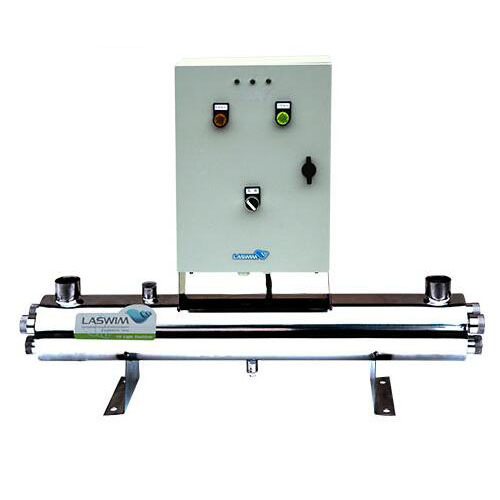
In the realm of disinfection technologies, pool ultraviolet (UV) sterilizers stand out as a highly effective solution for maintaining clean and safe water in swimming pools and other aquatic environments. The mechanism of UV sterilization leverages short-wavelength ultraviolet light, primarily UV-C, to deactivate microorganisms by disrupting their DNA, rendering them incapable of reproduction and infection. This process ensures a hygienic swimming experience while minimizing the reliance on traditional chemical disinfectants.
One of the primary advantages of using a pool ultraviolet sterilizer is its broad-spectrum efficacy against various pathogens, including bacteria, viruses, and protozoa. Unlike chlorine and other chemical treatments, which can take time to work and may leave harmful byproducts, UV sterilization provides immediate disinfection upon exposure to UV light. This rapid action is particularly beneficial in environments where water quality needs to be monitored closely, such as in public or commercial swimming pools.
Moreover, UV sterilizers contribute to the overall reduction of chemical usage, making them an eco-friendly option. By minimizing the need for chlorine and other chemicals, pool owners can not only lower operational costs but also reduce the risk of adverse effects on swimmers' health, such as skin irritations and respiratory issues. The implementation of UV technology aligns with the growing trend towards sustainable practices in the medical and health sectors, emphasizing the importance of safe and clean environments.
The installation of a pool ultraviolet sterilizer requires careful consideration of factors such as pool size, water flow rate, and the specific needs of the facility. It's crucial to select a system that matches the pool's volume and turnover rate to ensure optimal UV exposure. Regular maintenance and monitoring are also essential to maintain the efficacy of the UV system. This includes cleaning the UV lamp and quartz sleeve to prevent fouling, as well as periodic replacement of the UV lamp to ensure proper UV output.
In conclusion, pool ultraviolet sterilizers represent a significant advancement in water treatment technology, providing a chemical-free, efficient, and environmentally friendly solution for disinfection. Their ability to neutralize a wide range of pathogens quickly makes them indispensable in maintaining safe swimming conditions. As the demand for effective water treatment solutions continues to grow, the integration of UV sterilization into pool care practices offers a pathway towards healthier recreational environments. Adopting this innovative technology not only enhances water quality but also supports the broader goals of health and safety in aquatic settings.
One of the primary advantages of using a pool ultraviolet sterilizer is its broad-spectrum efficacy against various pathogens, including bacteria, viruses, and protozoa. Unlike chlorine and other chemical treatments, which can take time to work and may leave harmful byproducts, UV sterilization provides immediate disinfection upon exposure to UV light. This rapid action is particularly beneficial in environments where water quality needs to be monitored closely, such as in public or commercial swimming pools.
Moreover, UV sterilizers contribute to the overall reduction of chemical usage, making them an eco-friendly option. By minimizing the need for chlorine and other chemicals, pool owners can not only lower operational costs but also reduce the risk of adverse effects on swimmers' health, such as skin irritations and respiratory issues. The implementation of UV technology aligns with the growing trend towards sustainable practices in the medical and health sectors, emphasizing the importance of safe and clean environments.
The installation of a pool ultraviolet sterilizer requires careful consideration of factors such as pool size, water flow rate, and the specific needs of the facility. It's crucial to select a system that matches the pool's volume and turnover rate to ensure optimal UV exposure. Regular maintenance and monitoring are also essential to maintain the efficacy of the UV system. This includes cleaning the UV lamp and quartz sleeve to prevent fouling, as well as periodic replacement of the UV lamp to ensure proper UV output.
In conclusion, pool ultraviolet sterilizers represent a significant advancement in water treatment technology, providing a chemical-free, efficient, and environmentally friendly solution for disinfection. Their ability to neutralize a wide range of pathogens quickly makes them indispensable in maintaining safe swimming conditions. As the demand for effective water treatment solutions continues to grow, the integration of UV sterilization into pool care practices offers a pathway towards healthier recreational environments. Adopting this innovative technology not only enhances water quality but also supports the broader goals of health and safety in aquatic settings.
keywords
Previous
Related News


Let's collaborate to build a better future together!
Shop 1, 2, 3, No. 31 Nan'an Road, Nanyuan Street, Liwan District, Guangzhou City
Copyright © 2025 Guangzhou Huidi Swimming Pool Spa Equipment Co., Ltd 丨 SEO