

CN

NEWS
Essential Insights into Swimming Pool Water Filters
Published:
2026/04/20
Swimming pool water filters are essential components in maintaining the cleanliness and safety of pool water. They play a pivotal role in removing impurities, debris, and contaminants that can affect water quality. Understanding the different types of filters, their functions, and maintenance requirements can significantly enhance your pool experience. There are several types of swimming pool wate
Swimming pool water filters are essential components in maintaining the cleanliness and safety of pool water. They play a pivotal role in removing impurities, debris, and contaminants that can affect water quality. Understanding the different types of filters, their functions, and maintenance requirements can significantly enhance your pool experience.
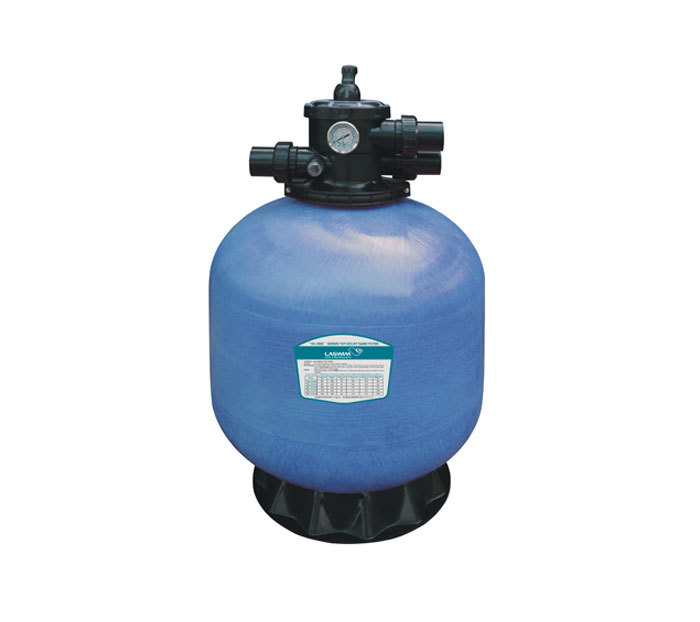
There are several types of swimming pool water filters, including sand filters, cartridge filters, and diatomaceous earth (DE) filters. Each type has its unique mechanism and advantages. Sand filters, for instance, use a bed of sand to trap dirt and debris. They are known for their durability and low maintenance needs, making them a popular choice among pool owners. On the other hand, cartridge filters utilize replaceable filter cartridges to capture particles, providing excellent filtration without the need for backwashing, which can save water and energy. DE filters, while offering superior filtration capabilities, require more maintenance and can be a bit more complex to operate.
When selecting a swimming pool water filter, several factors should be considered, including the size of your pool, the volume of use, and your maintenance preferences. A correctly sized filter will ensure optimal performance, as an undersized filter may struggle to keep the water clear, while an oversized filter may lead to unnecessary energy consumption. Additionally, understanding your pool’s specific needs can help in determining the right type of filter for your setup.
Regular maintenance is key to the effective operation of your swimming pool water filter. It is advisable to check the filter's pressure gauge regularly; if the pressure rises significantly above normal operating levels, it may indicate that the filter is dirty and requires cleaning. Depending on the type of filter, maintenance tasks can include backwashing (for sand filters), cleaning or replacing cartridges (for cartridge filters), and inspecting the DE filter grids for damage.
Chemical balances in your pool water also play a critical role in the longevity of your filter. Maintaining the right pH and chlorine levels will not only help in sanitizing the water but also prevent the buildup of scale and other deposits within the filtering system. Regularly testing your pool water and adjusting chemical levels can significantly reduce the load on your swimming pool water filter.
In conclusion, swimming pool water filters are indispensable for ensuring a clean, safe swimming environment. By understanding the different types of filters, their maintenance needs, and the importance of water chemistry, pool owners can enjoy a pristine swimming experience throughout the season. Regular attention to your water filter system will promote longevity and efficiency, providing peace of mind during your leisure time.
There are several types of swimming pool water filters, including sand filters, cartridge filters, and diatomaceous earth (DE) filters. Each type has its unique mechanism and advantages. Sand filters, for instance, use a bed of sand to trap dirt and debris. They are known for their durability and low maintenance needs, making them a popular choice among pool owners. On the other hand, cartridge filters utilize replaceable filter cartridges to capture particles, providing excellent filtration without the need for backwashing, which can save water and energy. DE filters, while offering superior filtration capabilities, require more maintenance and can be a bit more complex to operate.
When selecting a swimming pool water filter, several factors should be considered, including the size of your pool, the volume of use, and your maintenance preferences. A correctly sized filter will ensure optimal performance, as an undersized filter may struggle to keep the water clear, while an oversized filter may lead to unnecessary energy consumption. Additionally, understanding your pool’s specific needs can help in determining the right type of filter for your setup.
Regular maintenance is key to the effective operation of your swimming pool water filter. It is advisable to check the filter's pressure gauge regularly; if the pressure rises significantly above normal operating levels, it may indicate that the filter is dirty and requires cleaning. Depending on the type of filter, maintenance tasks can include backwashing (for sand filters), cleaning or replacing cartridges (for cartridge filters), and inspecting the DE filter grids for damage.
Chemical balances in your pool water also play a critical role in the longevity of your filter. Maintaining the right pH and chlorine levels will not only help in sanitizing the water but also prevent the buildup of scale and other deposits within the filtering system. Regularly testing your pool water and adjusting chemical levels can significantly reduce the load on your swimming pool water filter.
In conclusion, swimming pool water filters are indispensable for ensuring a clean, safe swimming environment. By understanding the different types of filters, their maintenance needs, and the importance of water chemistry, pool owners can enjoy a pristine swimming experience throughout the season. Regular attention to your water filter system will promote longevity and efficiency, providing peace of mind during your leisure time.
keywords
Previous
Related News


Let's collaborate to build a better future together!
Shop 1, 2, 3, No. 31 Nan'an Road, Nanyuan Street, Liwan District, Guangzhou City
Copyright © 2025 Guangzhou Huidi Swimming Pool Spa Equipment Co., Ltd 丨 SEO