

CN

NEWS
How to Extend the Life of Your Swimming Pool Water Filter: Essential Tips and Maintenance Strategies
Published:
2026/05/13
How to Extend the Life of Your Swimming Pool Water Filter Swimming pools provide endless enjoyment, but maintaining them can sometimes feel like a daunting task. One critical component of pool maintenance is the water filter, which plays a vital role in keeping the water clean and safe for swimmers. In this guide, we will delve into effective ways to extend the life of your swimming pool water fil
How to Extend the Life of Your Swimming Pool Water Filter
Swimming pools provide endless enjoyment, but maintaining them can sometimes feel like a daunting task. One critical component of pool maintenance is the water filter, which plays a vital role in keeping the water clean and safe for swimmers. In this guide, we will delve into effective ways to extend the life of your swimming pool water filter, ensuring optimal performance and longevity.
Understanding the Role of Swimming Pool Water Filters
Before we dive into maintenance tips, it's essential to understand what swimming pool water filters do. They remove impurities such as dirt, debris, and contaminants from the water, resulting in a clean and inviting pool. The effectiveness of your filter directly affects the water quality, which impacts the overall swimming experience.
Types of Swimming Pool Water Filters
There are three primary types of swimming pool water filters: sand filters, cartridge filters, and diatomaceous earth (DE) filters. Each has unique characteristics, benefits, and maintenance requirements.
Sand Filters
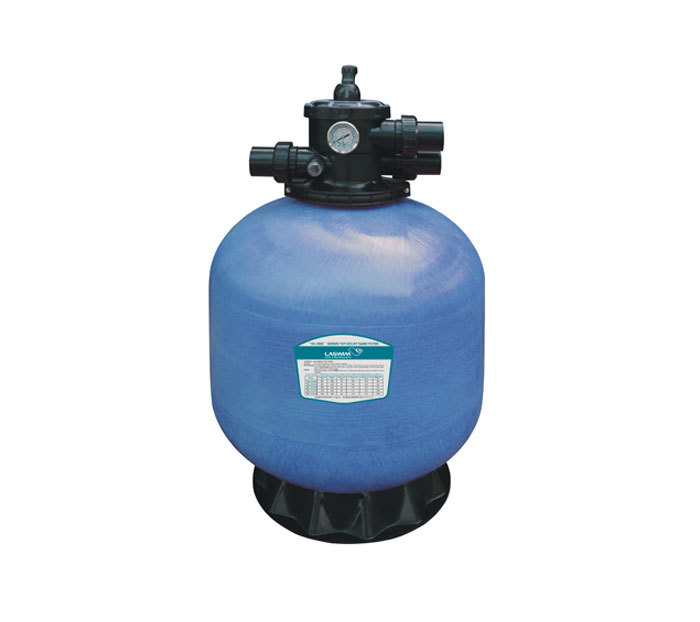
Sand filters use a bed of specially graded sand to trap particles. They are known for their durability and require less frequent maintenance compared to other types. However, they may not be as effective in filtering out smaller particles.
Cartridge Filters
Cartridge filters utilize a pleated filter cartridge to capture dirt and debris. They are easy to clean and maintain, but the cartridges need periodic replacement, depending on usage and condition.
Diatomaceous Earth (DE) Filters
DE filters use fossilized diatoms to filter water, providing superior filtration. They can capture smaller particles than sand filters but require more maintenance and careful handling of the DE powder.
Essential Maintenance Practices for Pool Filters
To extend the life of your swimming pool water filter, implementing a consistent maintenance routine is crucial. Here are some essential practices to follow:
Regular Cleaning and Backwashing
One of the most effective ways to maintain your filter is through **regular cleaning**. For sand and DE filters, backwashing is crucial. This process involves reversing the flow of water through the filter to flush out trapped debris. Regular backwashing can improve filtration efficiency and extend the filter's lifespan.
When to Backwash Your Filter
Monitor your filter's pressure gauge. If the pressure rises by 8-10 psi above the normal operating level, it's time to backwash. Additionally, if you notice a decline in water clarity, it may indicate the need for cleaning.
Inspect and Replace Filter Media
For sand and DE filters, the filter media can degrade over time. Regularly inspect the sand or DE powder and replace it when it loses effectiveness. **Cartridge filters**, on the other hand, require replacing the cartridges as they become clogged or damaged.
Monthly Chemical Balancing
Maintaining the proper chemical balance in your pool is essential not only for water quality but also for the health of your filter. Regularly test the water for pH, alkalinity, and chlorine levels. Keeping these levels within the recommended ranges will prevent excessive buildup of contaminants that could strain your filter.
Utilize a Skimmer and Vacuum Regularly
Preventative measures can significantly reduce the workload on your filter. Use a pool skimmer to remove leaves and debris from the surface. Additionally, perform regular vacuuming of the pool floor to keep sediment and dirt at bay. The less debris that reaches the filter, the longer it will last.
Seasonal Maintenance Tips for Pool Filters
Every season brings its own set of challenges for pool maintenance. Adapting your care routine to seasonal changes can further extend the life of your swimming pool water filter.
Spring Preparation
As pool season approaches, ensure your filter is ready for use by following these spring maintenance tips:
- **Inspect the Filter**: Check for cracks or damage and replace any worn parts.
- **Clean the Filter**: Give your filter a thorough cleaning to remove any buildup from the off-season.
- **Check the Pump**: Make sure your pool pump is functioning correctly, as it works in tandem with the filter.
Summer Care
During the peak swimming season, your filter will work harder to keep the water clean. To keep it in top shape:
- **Increase Cleaning Frequency**: Skim the pool more often and monitor the filter pressure closely.
- **Monitor Water Levels**: Keep an eye on evaporation rates and top off the pool as needed.
Fall Cleanup
As leaves begin to fall, ensure your pool filter remains effective by:
- **Cleaning More Frequently**: Increase your skimming and vacuuming routine to prevent leaves from clogging the filter.
- **Preparing for Winter**: If you're closing the pool for winter, follow proper winterization protocols, including cleaning the filter thoroughly.
Winter Maintenance
If you live in a colder climate, winter can take a toll on pool equipment. Follow these best practices:
- **Cover Your Pool**: Use a quality pool cover to minimize debris and protect against winter damage.
- **Keep the Water Balanced**: Maintain appropriate chemical levels even in winter to prevent algae growth.
Additional Tips to Enhance Filter Longevity
Beyond routine maintenance, consider these additional tips to extend the life of your swimming pool water filter:
Invest in a Quality Filter
When purchasing a pool filter, prioritize quality. A high-quality filter may cost more initially but will prove to be more durable and effective in the long run.
Monitor Water Flow Rate
Ensure proper water flow through the filter. A flow rate that is too high can lead to reduced filtration efficiency and increased wear on the filter. Consult your filter's manual for recommended flow rates.
Use Proper Chemicals
Always use pool chemicals that are compatible with your filter type. Some harsh chemicals can damage filter media or components. Read labels carefully and consult your pool professional if unsure.
Frequently Asked Questions (FAQs)
1. How often should I clean my swimming pool filter?
It is recommended to clean sand and DE filters every few weeks, while cartridge filters should be cleaned at least once a month.
2. How do I know when to replace my filter?
If you notice a decline in water clarity, increased filter pressure, or have been using the filter for several years, it may be time for a replacement.
3. Can I use my pool without a filter?
Using a pool without a filter is not recommended, as it can lead to poor water quality and unsafe swimming conditions.
4. What are the signs of a clogged filter?
Signs of a clogged filter include high pressure readings, poor water clarity, and increased debris accumulation in the pool.
5. How do I winterize my pool filter?
To winterize your filter, clean it thoroughly, remove any water, and store it in a dry place. Consult your filter manual for specific winterization instructions.
Conclusion
Extending the life of your swimming pool water filter is achievable through diligent maintenance and proper care. By implementing regular cleaning routines, chemical balancing, and seasonal preparations, you can maximize your filter's efficiency and longevity. Remember, a well-maintained water filter not only keeps your pool water clean and inviting but also enhances your overall swimming experience. Prioritize these practices, and you'll enjoy a pristine pool for many seasons to come.
keywords
Related News



Let's collaborate to build a better future together!
Shop 1, 2, 3, No. 31 Nan'an Road, Nanyuan Street, Liwan District, Guangzhou City
Copyright © 2025 Guangzhou Huidi Swimming Pool Spa Equipment Co., Ltd 丨 SEO