

CN

NEWS
The Advantages of Implementing Embedded Pool Filtration Units in Industrial Environments
Published:
2026/10/09
The Advantages of Implementing Embedded Pool Filtration Units in Industrial Environments Table of Contents Introduction to Embedded Pool Filtration Units Understanding Industrial Filtration Needs Key Benefits of Embedded Filtration Units 1. Efficiency and Performance 2. Cost-Effectiveness 3. Improved Safety Standards 4. Positive
The Advantages of Implementing Embedded Pool Filtration Units in Industrial Environments
Table of Contents
- Introduction to Embedded Pool Filtration Units
- Understanding Industrial Filtration Needs
- Key Benefits of Embedded Filtration Units
- 1. Efficiency and Performance
- 2. Cost-Effectiveness
- 3. Improved Safety Standards
- 4. Positive Environmental Impact
- Types of Embedded Pool Filtration Units
- Installation and Maintenance Considerations
- Real-World Applications of Embedded Filtration Units
- Common Challenges and Their Solutions
- Conclusion
- FAQs
Introduction to Embedded Pool Filtration Units
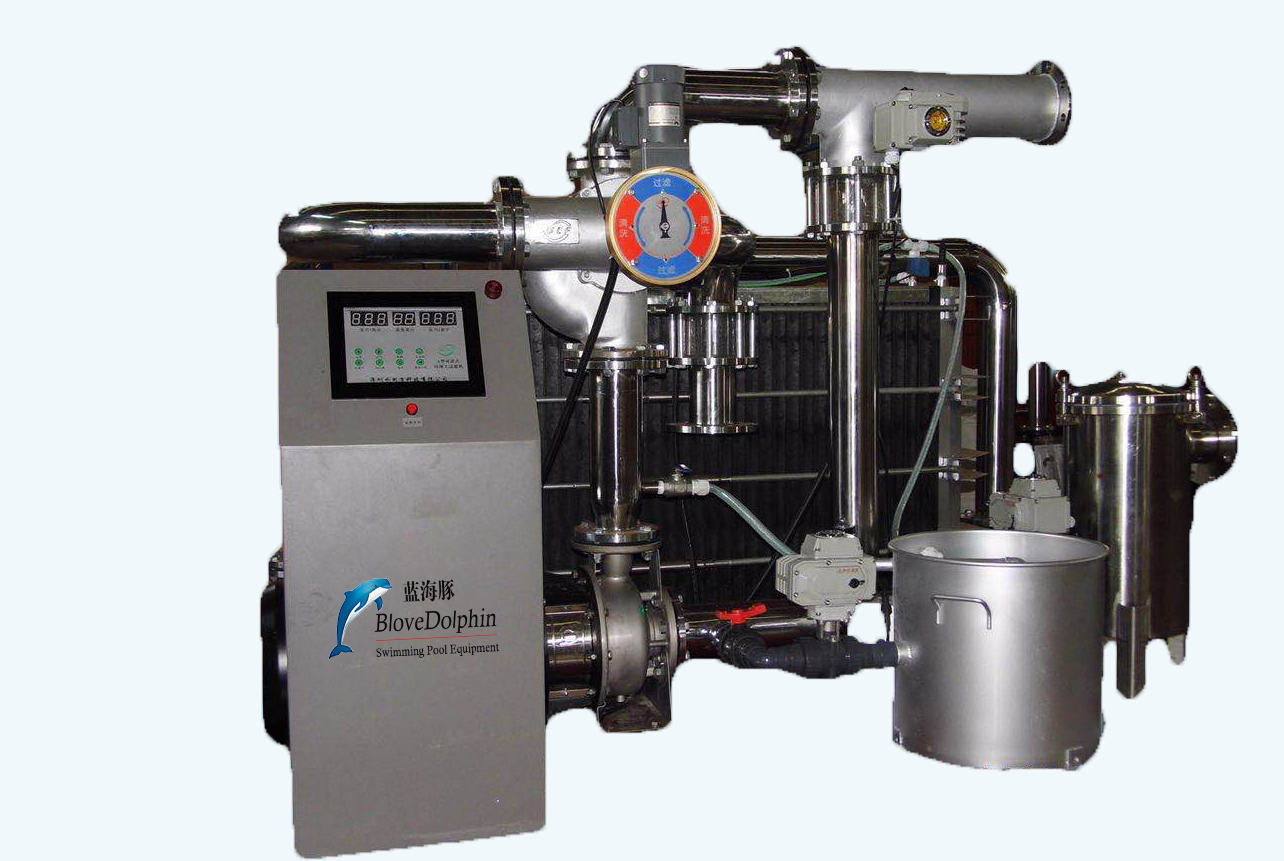
Embedded pool filtration units have revolutionized the way industrial settings manage water quality and filtration processes. These units are specifically designed to integrate seamlessly into existing systems, providing enhanced efficiency and performance while reducing operational costs. In industries where water quality is paramount, such as manufacturing and food production, the implementation of these filtration units ensures that the standards are maintained without compromising on productivity.
Understanding Industrial Filtration Needs
In industrial environments, the need for effective filtration systems cannot be overstated. Whether it's for cooling systems, process water in manufacturing, or recreational water in facilities like spas and hotels, maintaining high water quality is essential. Poor filtration can lead to equipment failure, product contamination, and health risks for employees. Therefore, understanding the specific filtration needs of an industrial operation is the first step in selecting the right embedded filtration unit.
Key Benefits of Embedded Filtration Units
When considering industrial filtration solutions, embedded filtration units offer a myriad of advantages that enhance operational efficiency and sustainability.
1. Efficiency and Performance
Embedded pool filtration units are designed for maximum efficiency. Unlike traditional systems, which may require extensive manual monitoring and maintenance, these units operate automatically, ensuring optimal filtration at all times. They are equipped with advanced technology that allows for real-time monitoring and adjustments, resulting in superior water quality. This leads to fewer interruptions in production and smoother operations overall.
2. Cost-Effectiveness
Investing in embedded pool filtration units is a financially sound decision. The automated nature of these systems reduces labor costs associated with manual maintenance and monitoring. Furthermore, by maintaining optimal water quality, businesses can avoid costly downtime and repairs caused by equipment failure due to poor filtration. Long-term savings can be significant, making these units a worthwhile investment for many industrial settings.
3. Improved Safety Standards
Safety is a primary concern in any industrial environment. Embedded pool filtration units contribute significantly to workplace safety by ensuring that water used in processes is free from contaminants. This not only protects the health of employees but also minimizes the risk of accidents related to water quality. Regular maintenance provided by these systems also contributes to a safer working environment, reducing the likelihood of equipment malfunctions that could pose safety hazards.
4. Positive Environmental Impact
In today’s world, sustainability is a major focus for industries. Using embedded pool filtration units can lead to a reduced environmental footprint. These systems are designed to use water and energy more efficiently, often incorporating eco-friendly materials and technologies. By minimizing waste and optimizing resource use, companies can demonstrate their commitment to sustainability while also adhering to environmental regulations.
Types of Embedded Pool Filtration Units
There are several types of embedded pool filtration units available, each tailored to meet specific industrial needs.
1. Sand Filtration Systems
Sand filtration units are a popular choice for their effectiveness in removing particulate matter from water. They work by passing water through a bed of sand, which acts as a natural filter.
2. Cartridge Filtration Systems
Cartridge filters are compact and easy to maintain, making them ideal for smaller industrial settings. They provide efficient filtration and are often used in applications where space is limited.
3. Membrane Filtration Systems
These advanced systems utilize semi-permeable membranes to remove impurities from water, making them highly effective but also more complex and costly.
Installation and Maintenance Considerations
Installing embedded pool filtration units requires careful planning and consideration. Proper installation is crucial to ensure optimal performance. It is advisable to work with professionals who understand the specific requirements of industrial filtration systems.
Maintenance is equally important. Regular checks and servicing of the filtration units not only prolong their life but also ensure they perform efficiently. Many modern embedded units come with self-cleaning features, which significantly reduce manual maintenance efforts.
Real-World Applications of Embedded Filtration Units
Embedded pool filtration units are versatile and can be applied in various industrial sectors.
1. Manufacturing Facilities
In manufacturing plants, these units manage process water effectively, ensuring that machinery operates smoothly without the risk of contamination.
2. Food and Beverage Industry
For companies in the food and beverage sector, maintaining impeccable water quality is non-negotiable. Embedded filtration systems help meet regulatory standards while enhancing product quality.
3. Recreational Facilities
In places like spas and hotels, embedded pool filtration units keep recreational water safe and clean, ensuring a pleasant experience for guests.
Common Challenges and Their Solutions
While embedded pool filtration units offer numerous benefits, they are not without challenges.
1. Initial Costs
The upfront cost of purchasing and installing embedded filtration systems can be high. However, considering the long-term savings on maintenance and repairs can justify this initial investment.
2. Technical Expertise
Operating advanced filtration systems requires skilled personnel. Providing training for staff or hiring experts can mitigate this challenge.
3. System Compatibility
Not all embedded filtration units are compatible with existing systems. Conducting thorough research and consulting with professionals can help select the right unit for specific industrial setups.
Conclusion
Embedded pool filtration units represent a significant advancement in industrial filtration technology. Their efficiency, cost-effectiveness, and safety improvements make them an invaluable asset for various industries. As businesses continue to prioritize sustainability and operational excellence, implementing these advanced systems will undoubtedly play a crucial role in achieving their goals. Investing in embedded filtration not only ensures compliance with safety regulations but also sets a foundation for a more sustainable and efficient future.
FAQs
1. What is an embedded pool filtration unit?
An embedded pool filtration unit is a system designed to filter water in industrial settings, integrated directly into existing water systems for improved efficiency.
2. How do these units improve efficiency?
They operate automatically, reducing the need for manual monitoring and maintenance while ensuring optimal water quality.
3. Are embedded filtration units cost-effective?
Yes, they reduce labor costs and prevent equipment failures, leading to significant long-term savings.
4. What types of filtration systems are available?
Common types include sand filtration, cartridge filtration, and membrane filtration systems.
5. How often should these systems be maintained?
Regular maintenance is crucial; however, many modern systems feature self-cleaning capabilities to minimize manual upkeep.
keywords
Previous
Related News

Let's collaborate to build a better future together!
Shop 1, 2, 3, No. 31 Nan'an Road, Nanyuan Street, Liwan District, Guangzhou City
Copyright © 2025 Guangzhou Huidi Swimming Pool Spa Equipment Co., Ltd 丨 SEO