

CN

NEWS
Stainless Steel Diatomite Filter: Efficient Filtration for Cleaner, Higher-Quality Liquids
Published:
2026/10/21
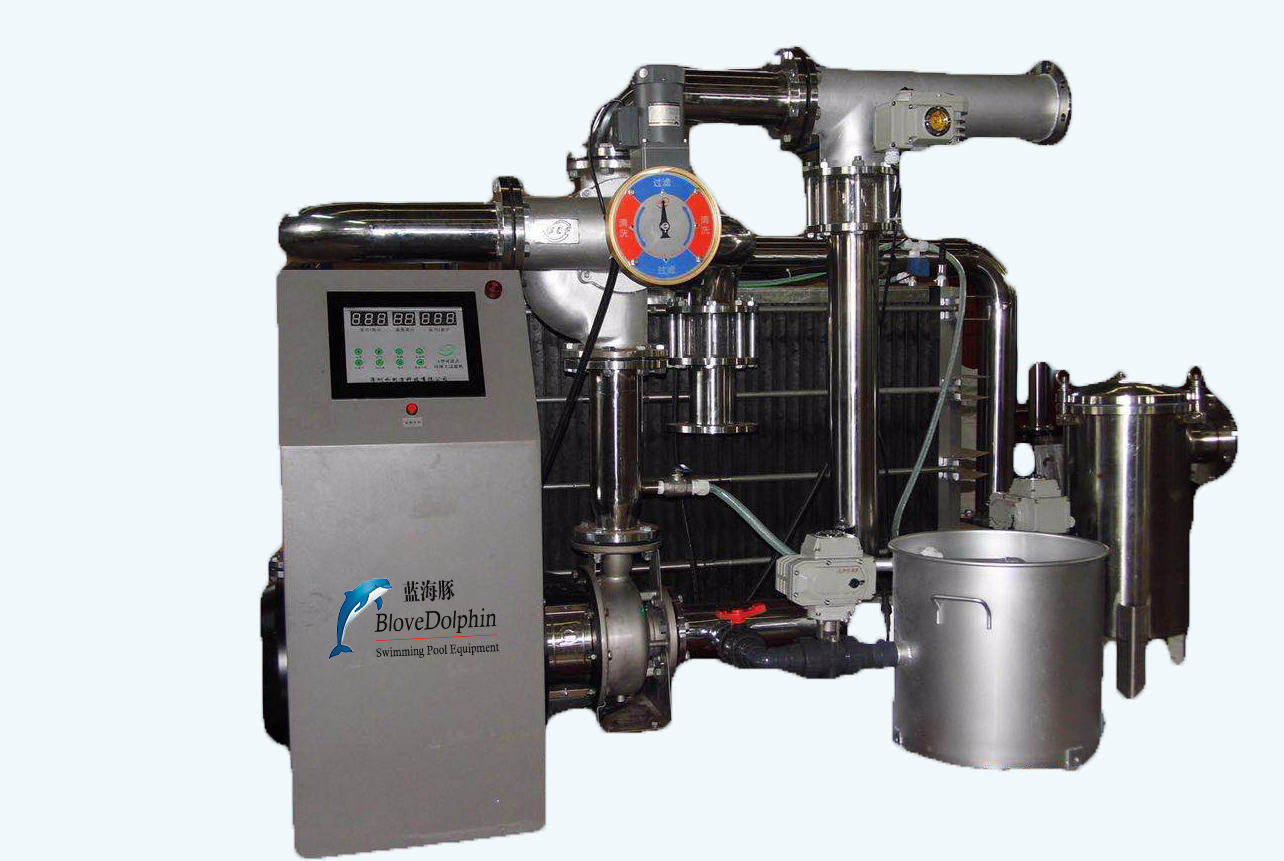
Stainless steel diatomite filter delivers efficient water filtration, durable performance, and reliable solid-liquid separation for industrial applications
Reliable Filtration for Demanding Industrial Processes
In industrial production, liquid quality directly affects product consistency, process efficiency, and equipment performance. Suspended particles and fine impurities can create filtration challenges, increase maintenance requirements, and affect downstream operations. A stainless steel diatomite filter offers a practical solution for applications requiring effective solid-liquid separation and dependable filtration performance. By using diatomaceous earth as a filter aid, this filtration system helps capture fine particles and improve liquid clarity.
Designed for suitable industrial environments, a stainless steel diatomite filter combines a durable stainless steel structure with a filtration process that can be adapted to different operating requirements. It may be used in water treatment, food and beverage processing, chemical production, and other applications where removing suspended solids is important. For manufacturers seeking stable filtration and manageable operating costs, selecting the right stainless steel diatomite filter can help improve process control and support consistent production quality.
Key Advantages of a Stainless Steel Diatomite Filter
One of the main advantages of a stainless steel diatomite filter is its use of diatomaceous earth to create an effective filtration layer. This porous filter aid helps retain suspended particles as liquid passes through the filtration system. With appropriate filter media preparation and operating conditions, the process can achieve fine filtration suitable for specific industrial requirements. The actual filtration performance depends on the diatomite grade, particle characteristics, equipment design, and operating parameters.
Durability is another important benefit. Stainless steel construction provides structural strength and corrosion resistance when the selected grade is compatible with the process liquid and cleaning chemicals. Compared with equipment made from less suitable materials, a properly specified stainless steel diatomite filter can support demanding service conditions and repeated maintenance cycles. Buyers should evaluate material grade, pressure rating, temperature limits, and applicable hygiene requirements before selecting a model.
Operational flexibility also matters. Depending on the design, filtration capacity, filter area, and system configuration can be selected to match different production volumes. A suitable stainless steel diatomite filter can therefore help manufacturers balance filtration quality, throughput, and maintenance needs without choosing equipment that is unnecessarily large or unsuitable for the application.
Applications Across Multiple Industries
A stainless steel diatomite filter can serve a variety of industrial filtration needs. In beverage processing, diatomaceous earth filtration may help remove suspended particles and improve liquid clarity when the process and product are compatible with this method. In water treatment, the system can support selected filtration stages where suspended solids need to be reduced. Chemical manufacturers may also consider this equipment for suitable process liquids, provided that the stainless steel grade, seals, and filter media are compatible with the chemical composition.
For example, a beverage production facility may experience inconsistent liquid clarity that affects the appearance and quality of its finished products. After evaluating the liquid characteristics and filtration requirements, the facility may introduce a stainless steel diatomite filter as part of its process. Appropriate diatomite preparation, controlled operating pressure, and routine monitoring can help improve filtration consistency and reduce interruptions caused by unsuitable filtration practices.
In each application, equipment selection should be based on actual process conditions rather than general assumptions. Product compatibility, required clarity, flow rate, and solids loading all influence the final configuration.
Solve Common Filtration and Maintenance Challenges
Poor filtration can lead to cloudy liquids, inconsistent production results, blocked downstream equipment, and additional cleaning work. A stainless steel diatomite filter helps address these challenges by combining a suitable filter aid with a dedicated filtration structure. When correctly designed and operated, it can support more consistent solids removal and help protect subsequent production stages from excessive particulate contamination.
Maintenance planning is equally important. Filter cake buildup, pressure increases, and changing liquid characteristics can affect system performance over time. Operators should monitor differential pressure, flow rate, filtration quality, and the condition of the filter elements according to the manufacturer's instructions. Proper cleaning, inspection, and replacement of consumable materials help maintain reliable operation and avoid unnecessary downtime.
For buyers, the key is to evaluate the complete filtration process rather than focusing only on the equipment price. Selecting a stainless steel diatomite filter with appropriate capacity and compatible materials can help reduce operating difficulties, improve resource utilization, and support predictable maintenance schedules.
Choose the Right Stainless Steel Diatomite Filter
Choosing the right stainless steel diatomite filter starts with understanding the liquid to be processed. Important factors include viscosity, temperature, chemical composition, suspended solids, target filtration quality, and required flow rate. Buyers should also confirm the equipment's working pressure, filter area, connection type, cleaning method, and compatibility with applicable industry requirements.
Reliable suppliers should be able to provide clear technical specifications and help match equipment configurations to actual operating conditions. For specialized applications, pilot testing or filtration trials may be useful to determine the appropriate diatomite grade and operating parameters before full-scale installation.
Improve Production Efficiency with Dependable Filtration
A stainless steel diatomite filter provides a practical approach to fine solid-liquid separation in suitable industrial processes. Its combination of stainless steel construction and diatomaceous earth filtration can help improve liquid clarity, support consistent product quality, and simplify process management.
Whether you operate a water treatment facility, beverage production line, or industrial processing plant, selecting the right stainless steel diatomite filter can help address filtration challenges and support long-term operational efficiency. By matching equipment specifications to process requirements and maintaining the system correctly, businesses can build a more reliable filtration workflow while controlling avoidable operating costs
keywords
Previous
Related News


Let's collaborate to build a better future together!
Shop 1, 2, 3, No. 31 Nan'an Road, Nanyuan Street, Liwan District, Guangzhou City
Copyright © 2025 Guangzhou Huidi Swimming Pool Spa Equipment Co., Ltd 丨 SEO