

CN

NEWS
High-Efficiency Pool Circulation Pump Technology Drives the Next Generation of Smart Water Systems
Published:
2026/04/22
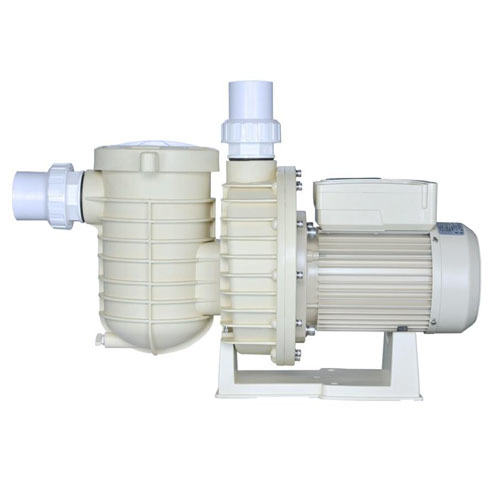
Newest pool circulation pump features high efficiency motor, quiet operation and durable design for long-term reliable water circulation
In recent years, the swimming pool industry has experienced rapid technological upgrades driven by energy efficiency requirements, smart control systems, and growing demand for low-maintenance water management solutions. Among all essential pool equipment, the pool circulation pump plays a central role in maintaining water quality, ensuring hygiene, and optimizing operational performance. The newest generation of pool circulation pumps is transforming traditional water systems into intelligent, energy-saving, and environmentally friendly infrastructures.
A pool circulation pump is responsible for continuously moving water through the filtration system, chemical treatment units, and heating devices. This process ensures that debris, bacteria, and impurities are effectively removed while maintaining balanced chemical distribution. Without a reliable circulation pump, even advanced filtration systems cannot function efficiently. Therefore, modern designs place strong emphasis on hydraulic efficiency, motor performance, and long-term durability.
One of the most significant developments in the industry is the adoption of high-efficiency permanent magnet motors and variable speed technology. Unlike traditional single-speed pumps, modern variable speed pumps can automatically adjust their operation based on real-time water demand. This not only reduces energy consumption by up to 70% but also significantly lowers noise levels, making pool environments more comfortable and eco-friendly. Energy savings have become a key selling point for both residential and commercial pool operators.
Another important innovation is the integration of smart control systems. Many latest pool circulation pumps can now be connected to mobile apps or centralized building management systems. Users can remotely monitor flow rates, adjust speed settings, and receive maintenance alerts. This level of automation allows pool owners and facility managers to optimize performance without requiring constant manual supervision. In large commercial facilities such as hotels, resorts, and water parks, this feature greatly reduces labor costs and improves operational efficiency.
Material engineering also plays a critical role in pump reliability. Modern pool circulation pumps are typically constructed with corrosion-resistant thermoplastics, stainless steel components, and reinforced mechanical seals. These materials ensure stable performance even in harsh environments with high chlorine levels or saltwater conditions. As a result, the lifespan of the equipment is significantly extended, reducing replacement frequency and maintenance costs.
In addition, hydraulic design improvements have led to better water flow efficiency. Advanced impeller structures reduce turbulence and improve suction capability, ensuring smoother and more consistent circulation. This helps maintain crystal-clear water quality while minimizing energy waste. Engineers are also focusing on reducing cavitation effects, which can damage internal components and reduce pump performance over time.
Environmental sustainability is another key driving force behind the evolution of pool circulation pumps. Governments and regulatory bodies in many regions are encouraging the use of energy-efficient water systems to reduce carbon emissions. Manufacturers are responding by developing eco-friendly pump models that meet international energy standards. These pumps not only consume less electricity but also contribute to greener building certifications such as LEED.
The demand for customized solutions is also increasing. Different pool sizes, usage frequencies, and water conditions require tailored pump configurations. Manufacturers are offering flexible product lines that allow users to select motor power, flow capacity, and control features according to specific project needs. This customization ensures optimal performance and cost efficiency for both small residential pools and large-scale commercial installations.
Looking ahead, the future of pool circulation pumps will likely involve deeper integration with artificial intelligence and predictive maintenance technologies. AI-powered systems could analyze usage patterns, detect potential failures in advance, and automatically optimize operating schedules. This will further enhance efficiency, reduce downtime, and improve user experience.
In conclusion, the newest generation of pool circulation pumps represents a major leap forward in energy efficiency, automation, and environmental sustainability. As technology continues to advance, these systems will play an increasingly important role in shaping the future of smart water management across residential, commercial, and industrial applications.
keywords
Related News


Let's collaborate to build a better future together!
Shop 1, 2, 3, No. 31 Nan'an Road, Nanyuan Street, Liwan District, Guangzhou City
Copyright © 2025 Guangzhou Huidi Swimming Pool Spa Equipment Co., Ltd 丨 SEO