
CN

NEWS
Understanding the Mechanism of Pool Ultraviolet Sterilizers: A Comprehensive Guide to Germ Elimination
Published:
2026/04/21
Understanding How Pool Ultraviolet Sterilizers Work to Eliminate Germs Table of Contents Introduction to Ultraviolet Sterilization in Pools What Is Ultraviolet Sterilization? How Do UV Sterilizers Work? Benefits of Using Ultraviolet Sterilizers in Pools Germ Elimination Efficiency of UV Sterilizers Comparison of UV Sterilization with Chemical Sanitization Installation
Understanding How Pool Ultraviolet Sterilizers Work to Eliminate Germs
Table of Contents
- Introduction to Ultraviolet Sterilization in Pools
- What Is Ultraviolet Sterilization?
- How Do UV Sterilizers Work?
- Benefits of Using Ultraviolet Sterilizers in Pools
- Germ Elimination Efficiency of UV Sterilizers
- Comparison of UV Sterilization with Chemical Sanitization
- Installation and Maintenance of UV Sterilizers
- Common Misconceptions About UV Sterilizers
- Conclusion
- Frequently Asked Questions
Introduction to Ultraviolet Sterilization in Pools
In the quest for a clean and safe swimming environment, pool owners are increasingly turning to innovative solutions like **ultraviolet (UV) sterilization**. This technology offers a powerful method to eliminate harmful microorganisms without the need for harsh chemicals. In this article, we will delve deep into how pool ultraviolet sterilizers work, their benefits, and best practices for maintaining your pool's health.
What Is Ultraviolet Sterilization?
Ultraviolet sterilization is a process that uses UV light to destroy the DNA of pathogens, rendering them incapable of reproduction and effectively eliminating their threat. UV light is a part of the electromagnetic spectrum, emitted in wavelengths ranging from 100 to 400 nanometers. The most effective range for germicidal activity is between 200 and 300 nanometers.
The Science Behind Ultraviolet Light
UV light can be divided into three categories:
- **UVA (320-400 nm)**: These rays primarily cause skin aging and contribute to some skin cancers.
- **UVB (290-320 nm)**: Known for causing sunburn, these rays are also involved in the development of skin cancer.
- **UVC (100-290 nm)**: This is the most effective range for disinfection. UVC rays are lethal to bacteria, viruses, and other microorganisms.
How Do UV Sterilizers Work?
Pool ultraviolet sterilizers are designed to work in conjunction with conventional filtration systems, enhancing overall water quality. Here’s how the process unfolds:
Water Flow Through the UV Chamber
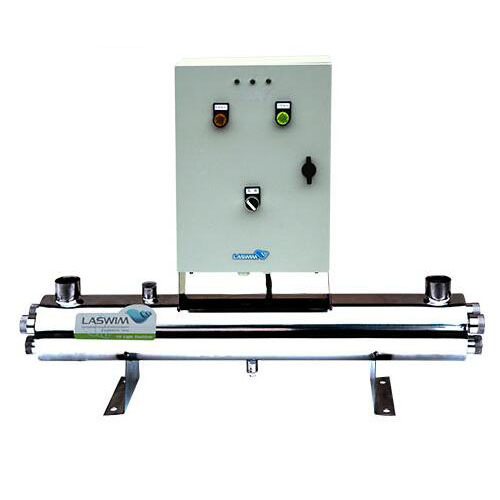
As pool water is pumped through the filtration system, it is directed into a UV sterilization chamber. This chamber contains a UV lamp that emits UVC light.
Exposure to UV Light
When the microorganisms in the water pass through the chamber, they are exposed to the intense UVC light. The energy from the light penetrates the cell walls of bacteria and viruses, damaging their DNA structure.
Germ Inactivation
Once the DNA is disrupted, the microorganisms cannot reproduce or cause infections, effectively neutralizing their threat. This inactivation ensures that the water is free from harmful germs before returning to the pool.
Benefits of Using Ultraviolet Sterilizers in Pools
Implementing UV sterilization in pools offers numerous advantages, including:
1. Chemical Reduction
One of the most significant benefits is the reduction of chemical usage. UV sterilizers can decrease the dependence on chlorine and other chemicals, leading to a more pleasant swimming experience.
2. Effective Germ Elimination
UV systems can eliminate up to 99.9% of various pathogens, including bacteria, viruses, and protozoa, ensuring superior water quality.
3. Environmentally Friendly
By minimizing chemical usage, UV sterilization is a more environmentally friendly option. It reduces chemical runoff into the ecosystem, promoting healthier surroundings.
4. Odor and Irritation Reduction
Using UV technology reduces the formation of chloramines, which are responsible for the strong chlorine smell and eye irritation. This leads to a more enjoyable swimming experience.
Germ Elimination Efficiency of UV Sterilizers
The efficiency of UV sterilizers in eliminating germs largely depends on several factors, including:
1. Exposure Time
The longer the microorganisms are exposed to UV light, the more effective the sterilization process. This is why adequate water flow rate and chamber size are crucial.
2. UV Lamp Output
The intensity and type of UV lamp used directly influence the sterilizer's effectiveness. High-output lamps are more capable of inactivating a broader range of pathogens.
3. Water Clarity
Clear water allows for better UV light penetration. Suspended particles and turbidity can significantly reduce the effectiveness of UV systems.
Comparison of UV Sterilization with Chemical Sanitization
While both UV sterilization and chemical sanitization aim to maintain pool hygiene, their methods and outcomes differ.
1. Speed of Action
UV sterilizers work instantaneously upon exposure to UVC light, unlike chlorine, which requires time to dissipate its effectiveness.
2. Residual Sanitization
Chlorine provides residual protection, meaning it continues to disinfect water after it has been introduced. UV sterilizers, on the other hand, offer no residual disinfection.
3. Handling by-products
Chemical sanitizers can create unwanted by-products, while UV systems do not generate harmful residuals, making them a cleaner alternative.
Installation and Maintenance of UV Sterilizers
Proper installation and regular maintenance are essential for the efficient functioning of UV sterilizers.
1. Choosing the Right System
Selecting the appropriate size and capacity for your pool is crucial. Consult with professionals to determine the best fit based on your pool’s volume and usage.
2. Installation Process
UV systems should be installed after the pool’s filtration system to ensure that all water is treated. Ensure that all connections are secure and leak-proof.
3. Regular Maintenance
Regularly check the UV lamp for efficiency, as they have a limited lifespan and require replacement. Additionally, clean the quartz sleeve surrounding the lamp to ensure optimal light penetration.
Common Misconceptions About UV Sterilizers
Despite their effectiveness, several misconceptions about UV sterilizers persist.
1. UV Systems Are a Complete Replacement for Chemicals
While UV sterilizers significantly reduce the need for chemicals, they do not completely eliminate them. A balanced approach, including both UV sterilization and minimal chemical use, is still necessary.
2. UV Light Is Harmful to Humans
While UVC light can be harmful to skin and eyes, the design of UV sterilizers ensures that there is no human exposure during operation.
Conclusion
Pool ultraviolet sterilizers are a powerful tool in the fight against pathogens lurking in swimming pools. By harnessing the power of UVC light, these systems effectively eliminate harmful microorganisms, enhancing water quality and providing a safer swimming environment. When combined with regular maintenance and an understanding of their operation, UV sterilizers represent a smart choice for pool owners striving for cleanliness and safety.
Frequently Asked Questions
1. How long do UV lamps last?
UV lamps typically last about 9,000 to 14,000 hours, depending on usage. Regular checks and replacements are essential for optimal performance.
2. Can UV sterilizers work in cloudy water?
Cloudy water can significantly reduce the effectiveness of UV sterilizers, as it inhibits light penetration. Maintaining clear water is crucial.
3. Do I still need to use chlorine with a UV system?
Yes, while a UV system can reduce the amount of chlorine needed, some level of chlorine is still important for residual protection against pathogens.
4. Are UV sterilizers expensive to operate?
UV sterilizers are generally low-maintenance and energy-efficient, resulting in minimal operating costs compared to chemical alternatives.
5. Can UV sterilizers kill all types of germs?
UV sterilizers are highly effective against most bacteria and viruses, but they may not be effective against all pathogens, particularly certain protozoa. Combining methods is recommended for comprehensive sanitation.
keywords
Previous
Previous
Related News


Let's collaborate to build a better future together!
Shop 1, 2, 3, No. 31 Nan'an Road, Nanyuan Street, Liwan District, Guangzhou City
Copyright © 2025 Guangzhou Huidi Swimming Pool Spa Equipment Co., Ltd 丨 SEO