

CN

NEWS
Enhancing Water Safety: The Role of Pool Ultraviolet Sterilizers in Healthcare and Hygiene
Published:
2026/03/31
In the medical and healthcare industry, maintaining high standards of cleanliness and hygiene is essential, especially when it comes to water used in pools and other aquatic environments. Pool ultraviolet (UV) sterilizers have emerged as a pivotal technology in this arena, offering an effective solution for water disinfection without the use of harsh chemicals. Ultraviolet sterilization involves t
In the medical and healthcare industry, maintaining high standards of cleanliness and hygiene is essential, especially when it comes to water used in pools and other aquatic environments. Pool ultraviolet (UV) sterilizers have emerged as a pivotal technology in this arena, offering an effective solution for water disinfection without the use of harsh chemicals.
Ultraviolet sterilization involves the use of UV light to eliminate microorganisms that can pose health risks, such as bacteria, viruses, and protozoa. This method is particularly appealing for professionals in the healthcare industry, as it can significantly reduce the risk of waterborne illnesses. Pools, whether in hospitals, rehabilitation centers, or wellness facilities, often become breeding grounds for pathogens if not properly maintained. By implementing a pool ultraviolet sterilizer, healthcare facilities can ensure that their water supply remains free from contaminants.
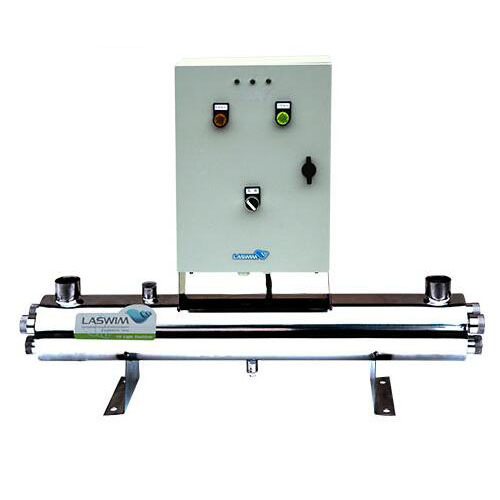
The operation of a pool UV sterilizer is straightforward yet effective. Water is circulated through the sterilizer, where it is exposed to UV light at a specific wavelength. This exposure disrupts the DNA of harmful microorganisms, rendering them incapable of reproduction and effectively neutralizing their threat. This process not only helps in maintaining clean water but also minimizes the use of chlorine and other chemicals, which can have adverse effects on both human health and the environment.
One of the key advantages of utilizing pool ultraviolet sterilizers is their ability to provide continuous disinfection. Unlike traditional methods that may require regular chemical dosing and monitoring, UV sterilizers work in real-time, ensuring that the water remains sanitized at all times. This is especially important in healthcare settings where patient safety is a priority.
Moreover, UV sterilizers are known for their low operational costs and maintenance requirements. As they do not require the storage and handling of hazardous chemicals, they promote a safer working environment for healthcare professionals. Additionally, with the increasing focus on sustainability, using UV technology aligns with environmentally friendly practices, reducing chemical runoff and promoting the health of surrounding ecosystems.
In conclusion, the integration of pool ultraviolet sterilizers in healthcare settings is a crucial advancement in water safety and hygiene. By leveraging this technology, healthcare facilities can ensure the highest standards of cleanliness, protect patient health, and contribute to a sustainable future. As the industry continues to evolve, the role of UV sterilization in disinfection will likely become even more prominent, highlighting its significance in modern medical practices.
Ultraviolet sterilization involves the use of UV light to eliminate microorganisms that can pose health risks, such as bacteria, viruses, and protozoa. This method is particularly appealing for professionals in the healthcare industry, as it can significantly reduce the risk of waterborne illnesses. Pools, whether in hospitals, rehabilitation centers, or wellness facilities, often become breeding grounds for pathogens if not properly maintained. By implementing a pool ultraviolet sterilizer, healthcare facilities can ensure that their water supply remains free from contaminants.
The operation of a pool UV sterilizer is straightforward yet effective. Water is circulated through the sterilizer, where it is exposed to UV light at a specific wavelength. This exposure disrupts the DNA of harmful microorganisms, rendering them incapable of reproduction and effectively neutralizing their threat. This process not only helps in maintaining clean water but also minimizes the use of chlorine and other chemicals, which can have adverse effects on both human health and the environment.
One of the key advantages of utilizing pool ultraviolet sterilizers is their ability to provide continuous disinfection. Unlike traditional methods that may require regular chemical dosing and monitoring, UV sterilizers work in real-time, ensuring that the water remains sanitized at all times. This is especially important in healthcare settings where patient safety is a priority.
Moreover, UV sterilizers are known for their low operational costs and maintenance requirements. As they do not require the storage and handling of hazardous chemicals, they promote a safer working environment for healthcare professionals. Additionally, with the increasing focus on sustainability, using UV technology aligns with environmentally friendly practices, reducing chemical runoff and promoting the health of surrounding ecosystems.
In conclusion, the integration of pool ultraviolet sterilizers in healthcare settings is a crucial advancement in water safety and hygiene. By leveraging this technology, healthcare facilities can ensure the highest standards of cleanliness, protect patient health, and contribute to a sustainable future. As the industry continues to evolve, the role of UV sterilization in disinfection will likely become even more prominent, highlighting its significance in modern medical practices.
keywords
Previous
Related News


Let's collaborate to build a better future together!
Shop 1, 2, 3, No. 31 Nan'an Road, Nanyuan Street, Liwan District, Guangzhou City
Copyright © 2025 Guangzhou Huidi Swimming Pool Spa Equipment Co., Ltd 丨 SEO