

CN

NEWS
Essential Insights into Swimming Pool Water Filters: Ensuring Clean and Safe Pool Water
Published:
2026/05/06
When it comes to maintaining a swimming pool, the importance of a reliable water filter cannot be overstated. Swimming pool water filters are essential devices designed to remove dirt, debris, and contaminants from pool water, ensuring a safe and enjoyable swimming experience. Without an effective filtration system, pool water can quickly become murky and unhealthy, leading to potential health ris
When it comes to maintaining a swimming pool, the importance of a reliable water filter cannot be overstated. Swimming pool water filters are essential devices designed to remove dirt, debris, and contaminants from pool water, ensuring a safe and enjoyable swimming experience. Without an effective filtration system, pool water can quickly become murky and unhealthy, leading to potential health risks and increased maintenance costs.
There are several types of swimming pool water filters, each with its own unique mechanisms for cleaning water. The most common types include sand filters, cartridge filters, and diatomaceous earth (DE) filters.
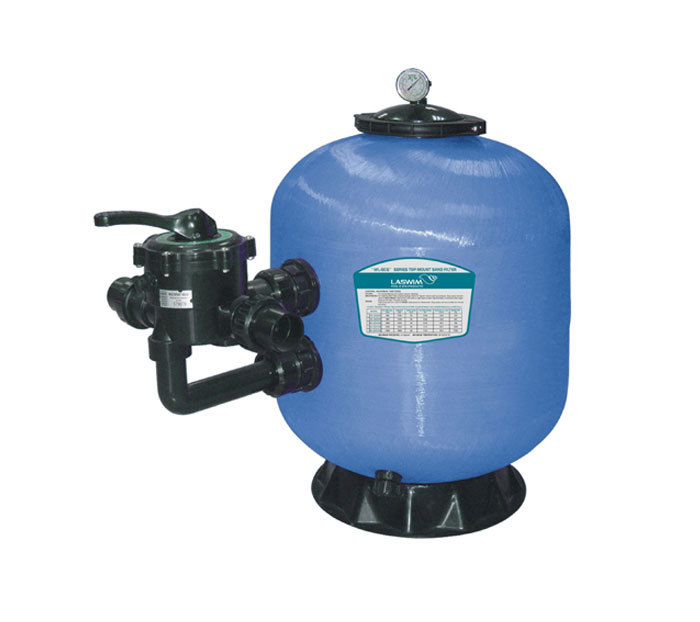
1. **Sand Filters**: These are among the most popular choices for residential pools due to their simplicity and effectiveness. They use sand as the primary filtration medium, which captures particles as water flows through. Sand filters require periodic backwashing to remove trapped debris, making them low-maintenance options.
2. **Cartridge Filters**: Cartridge filters utilize a pleated filter element to capture debris and contaminants. They are easy to install and maintain, as they do not require backwashing. Regular cleaning of the cartridge is necessary, ensuring optimal performance. The filter's ability to capture smaller particles makes it an excellent choice for achieving clearer water.
3. **Diatomaceous Earth (DE) Filters**: DE filters are known for their exceptional filtration capabilities. They use a fine powder made from fossilized algae to trap even the tiniest particles. While DE filters require more maintenance and have a higher initial setup cost, they can provide superior water clarity and cleanliness, making them suitable for high-end or commercial pools.
Maintaining your swimming pool water filter is crucial for its longevity and efficiency. Regularly checking the filter pressure gauge can help determine when cleaning or backwashing is necessary. A pressure increase of 8-10 psi above the normal operating range typically indicates the filter needs attention. Additionally, replacing filter media or cartridges as recommended by the manufacturer is essential to ensure optimal filtration performance.
Incorporating a swimming pool water filter into your pool maintenance routine not only enhances water quality but also prolongs the life of other pool equipment. By reducing the amount of debris and contaminants that can lead to corrosion or wear, a good filtration system can ultimately save you time and money on repairs and replacements.
In summary, understanding the different types of swimming pool water filters and their maintenance requirements is essential for any pool owner. A well-maintained filter system not only guarantees a clean swimming environment but also contributes to the overall efficiency and longevity of your pool setup. Investing in a suitable swimming pool water filter is a proactive step towards ensuring a safe and pleasant swimming experience.
There are several types of swimming pool water filters, each with its own unique mechanisms for cleaning water. The most common types include sand filters, cartridge filters, and diatomaceous earth (DE) filters.
1. **Sand Filters**: These are among the most popular choices for residential pools due to their simplicity and effectiveness. They use sand as the primary filtration medium, which captures particles as water flows through. Sand filters require periodic backwashing to remove trapped debris, making them low-maintenance options.
2. **Cartridge Filters**: Cartridge filters utilize a pleated filter element to capture debris and contaminants. They are easy to install and maintain, as they do not require backwashing. Regular cleaning of the cartridge is necessary, ensuring optimal performance. The filter's ability to capture smaller particles makes it an excellent choice for achieving clearer water.
3. **Diatomaceous Earth (DE) Filters**: DE filters are known for their exceptional filtration capabilities. They use a fine powder made from fossilized algae to trap even the tiniest particles. While DE filters require more maintenance and have a higher initial setup cost, they can provide superior water clarity and cleanliness, making them suitable for high-end or commercial pools.
Maintaining your swimming pool water filter is crucial for its longevity and efficiency. Regularly checking the filter pressure gauge can help determine when cleaning or backwashing is necessary. A pressure increase of 8-10 psi above the normal operating range typically indicates the filter needs attention. Additionally, replacing filter media or cartridges as recommended by the manufacturer is essential to ensure optimal filtration performance.
Incorporating a swimming pool water filter into your pool maintenance routine not only enhances water quality but also prolongs the life of other pool equipment. By reducing the amount of debris and contaminants that can lead to corrosion or wear, a good filtration system can ultimately save you time and money on repairs and replacements.
In summary, understanding the different types of swimming pool water filters and their maintenance requirements is essential for any pool owner. A well-maintained filter system not only guarantees a clean swimming environment but also contributes to the overall efficiency and longevity of your pool setup. Investing in a suitable swimming pool water filter is a proactive step towards ensuring a safe and pleasant swimming experience.
keywords
Related News


Let's collaborate to build a better future together!
Shop 1, 2, 3, No. 31 Nan'an Road, Nanyuan Street, Liwan District, Guangzhou City
Copyright © 2025 Guangzhou Huidi Swimming Pool Spa Equipment Co., Ltd 丨 SEO